
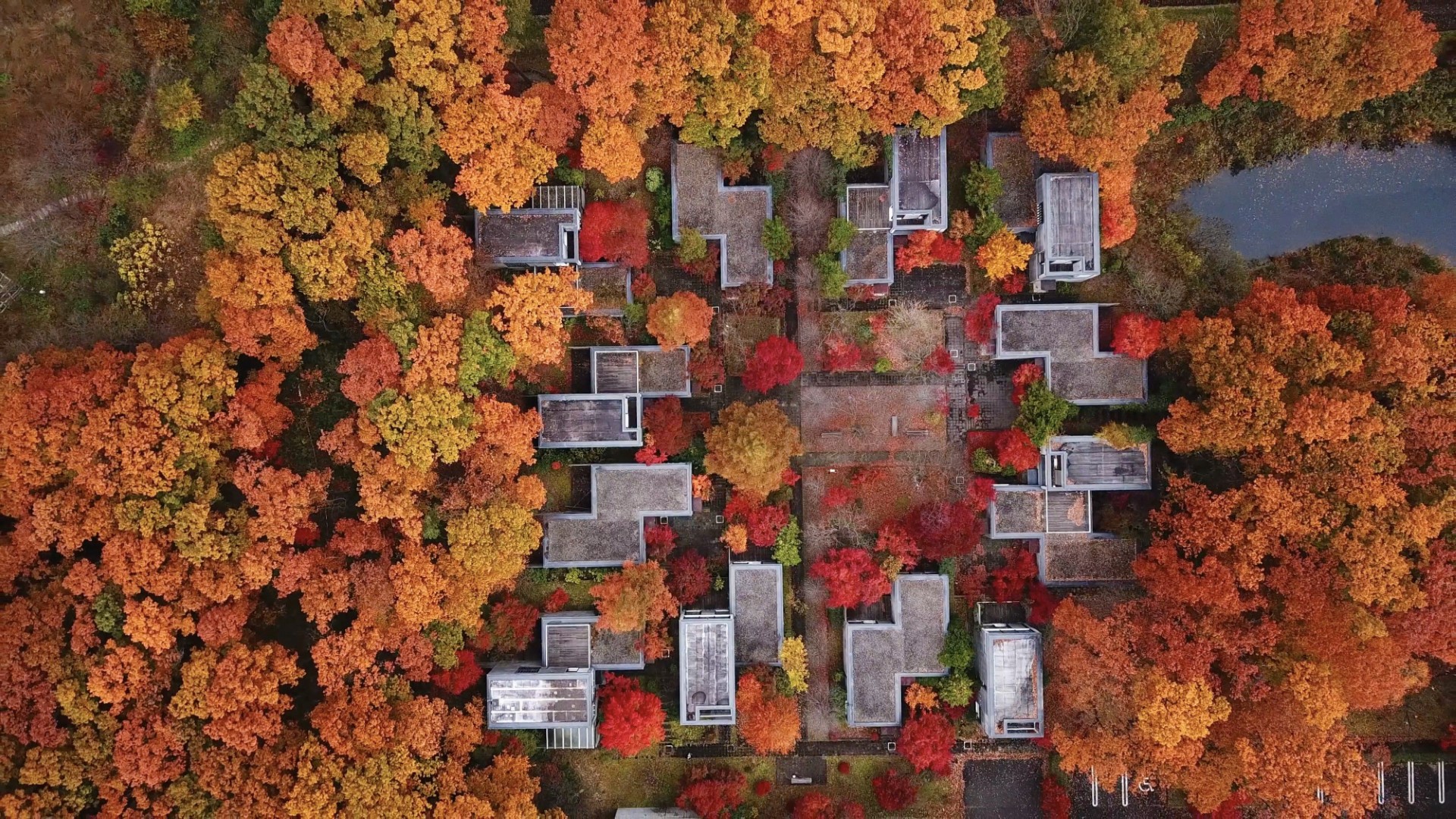
A New Vision for Kaga Onsen: Ishikawa’s Changemakers
At the foothills of Mount Hakusan, Kaga Onsen has been welcoming travellers to its hot springs for more than 1,300 years. Located in Ishikawa Prefecture, the area is made up of four distinct onsen towns: Yamashiro, Yamanaka, Katayamazu and Awazu. Each has its own character but all share the same traditions of therapeutic waters and traditional ryokan.
For centuries, people have travelled here to rest, recover and bathe in the mineral rich waters. Writers, artists and pilgrims have all passed through drawn by the reputation of the springs and the calm atmosphere of the surrounding mountains. Yet despite its long history, Kaga Onsen has remained relatively unknown to many international visitors. That may soon change.
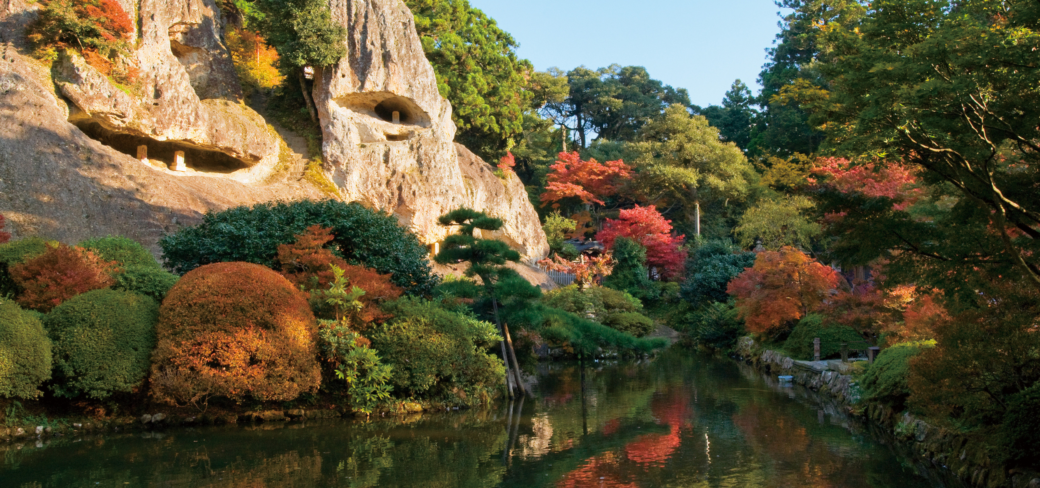
The extension of the Hokuriku Shinkansen in 2024 has made the region significantly easier to reach, placing it firmly on the map for travellers exploring central Japan. What awaits is a hot spring destination that rivals places like Hakone in quality, but feels quieter and more grounded in everyday local life.
Importantly, the region is also well prepared for overseas guests. Many ryokan offer English-speaking support and thoughtful hospitality that helps visitors feel comfortable, while still preserving the traditions and character that make an onsen stay in Kaga so distinctive from the others.
Hanamurasaki and a New Generation of Custodians
One property that embodies this new chapter for Kaga Onsen is Hanamurasaki Ryokan in Yamanaka Onsen. While the ryokan itself is elegant and design-led, what truly sets it apart is the couple shaping its future. Thoughtful, outward-looking and quietly progressive, they represent a new generation of custodians rethinking how tradition can evolve without losing its essence.
At the heart of it are owners Kohei Yamada and his wife and PR Director, Manami Yamada. Together they bring a modern perspective to ryokan hospitality while preserving the warmth and attentiveness that define a stay in Kaga Onsen.
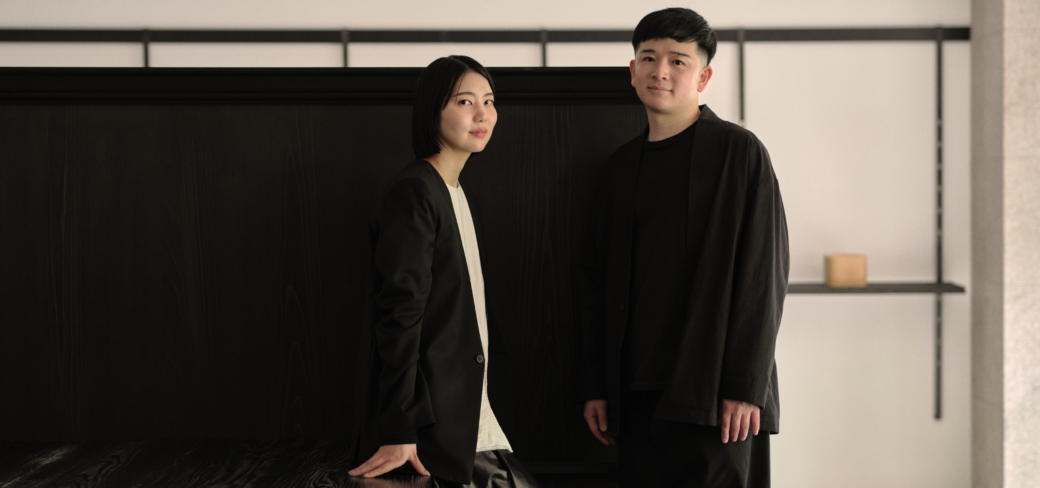
Image credits: Renée Kemps
Kohei himself is a calm and poised presence, and his eye for design can be felt throughout the property. Having studied art in San Francisco, he returned to Japan with ideas about how traditional hospitality might evolve rather than simply remain fixed. The result is what some have begun to describe as “ryokan 2.0”, a place that blends tradition with a contemporary sensibility.
Yamanaka Onsen: A Town Shaped by Craft
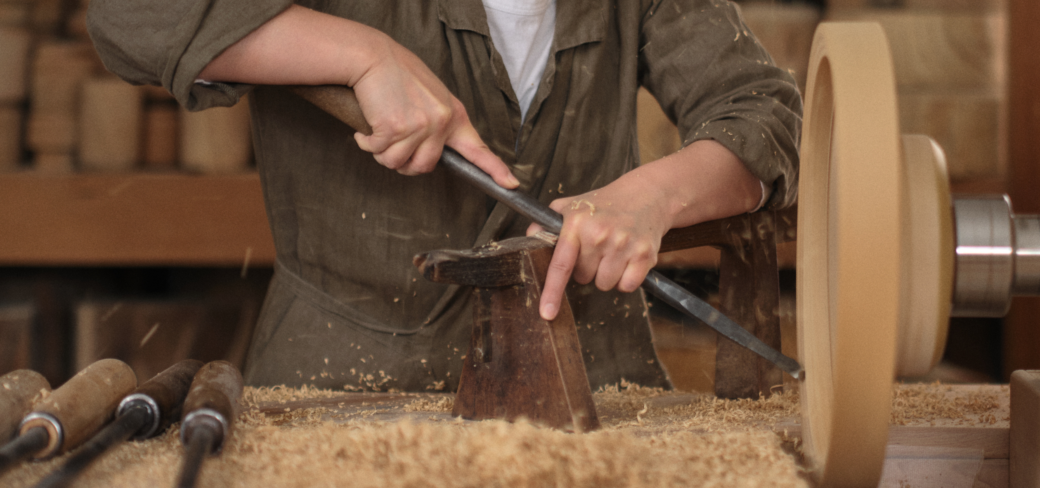
Yamanaka Onsen has long been a town shaped by craftsmanship. Around 400 years ago, woodworkers were drawn to the area by the surrounding forests, where hardwoods such as zelkova provided the ideal material for carving. Over time, their skills developed into what is now known as Yamanaka lacquerware, a tradition still practiced today.
Walking through the town, that heritage is never far from view. Small studios and workshops continue the craft, while local schools pass on the techniques that have defined the area for generations. Bowls, trays and tea utensils are still shaped, lacquered and polished much as they have been for centuries.
However, craftsmanship in Yamanaka is not limited to lacquerware. It can be felt in the seasonal cooking of local inns, the attentive care of ryokan hosts and the simple ritual of bathing in the town’s hot springs. Positioned between the Sea of Japan and the mountains of Hakusan, the surrounding landscape continues to shape the town’s food, materials and way of life.
Reinterpreting Tradition at Hanamurasaki
Hanamurasaki has been run by the same family for more than 120 years. Recent renovations reflect a clear philosophy: tradition can evolve while remaining rooted in place. Contemporary design sits comfortably alongside local artworks, creating spaces that feel both refined and relaxed.
This approach becomes clear as soon as guests arrive. In the lobby, a gallery space hosts rotating exhibitions featuring work by regional artists, giving the ryokan the feel of a quietly curated art space rather than a typical hotel lobby. Nearby, a small tea bar welcomes guests with a drink prepared from locally sourced teas. The tea is gently warmed and introduced in a relaxed setting, offering something like a miniature tea ceremony that provides an immediate introduction to Japanese tea culture.
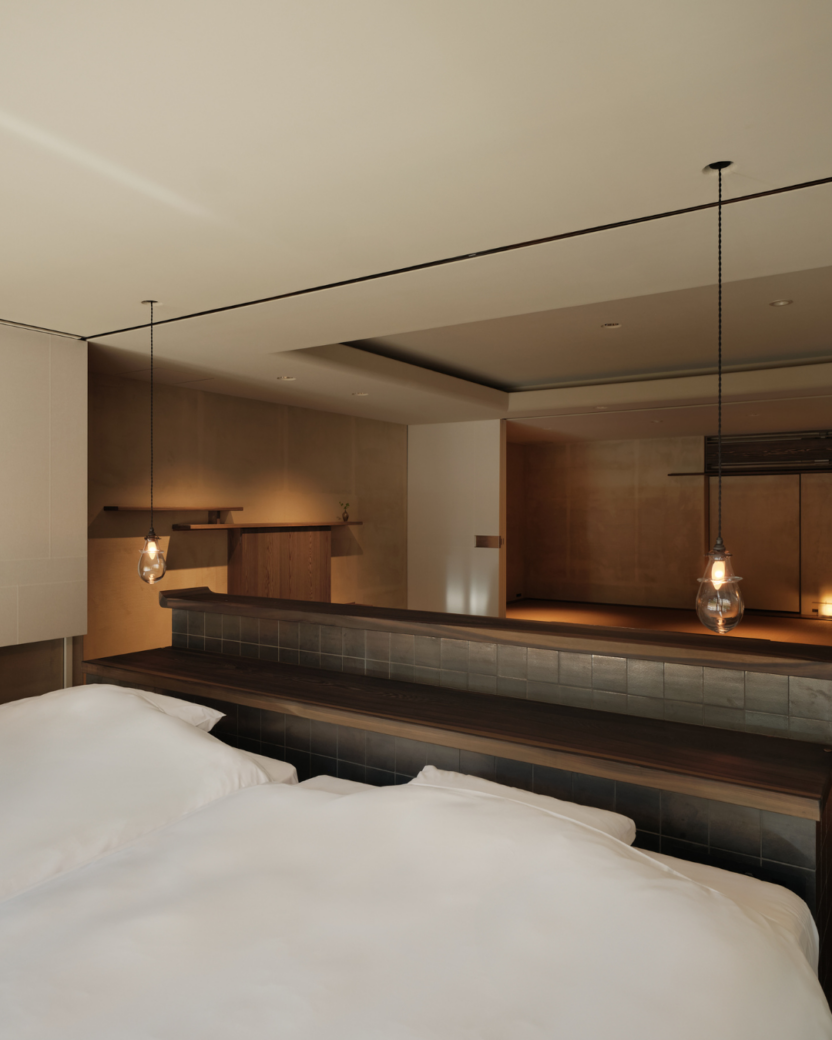
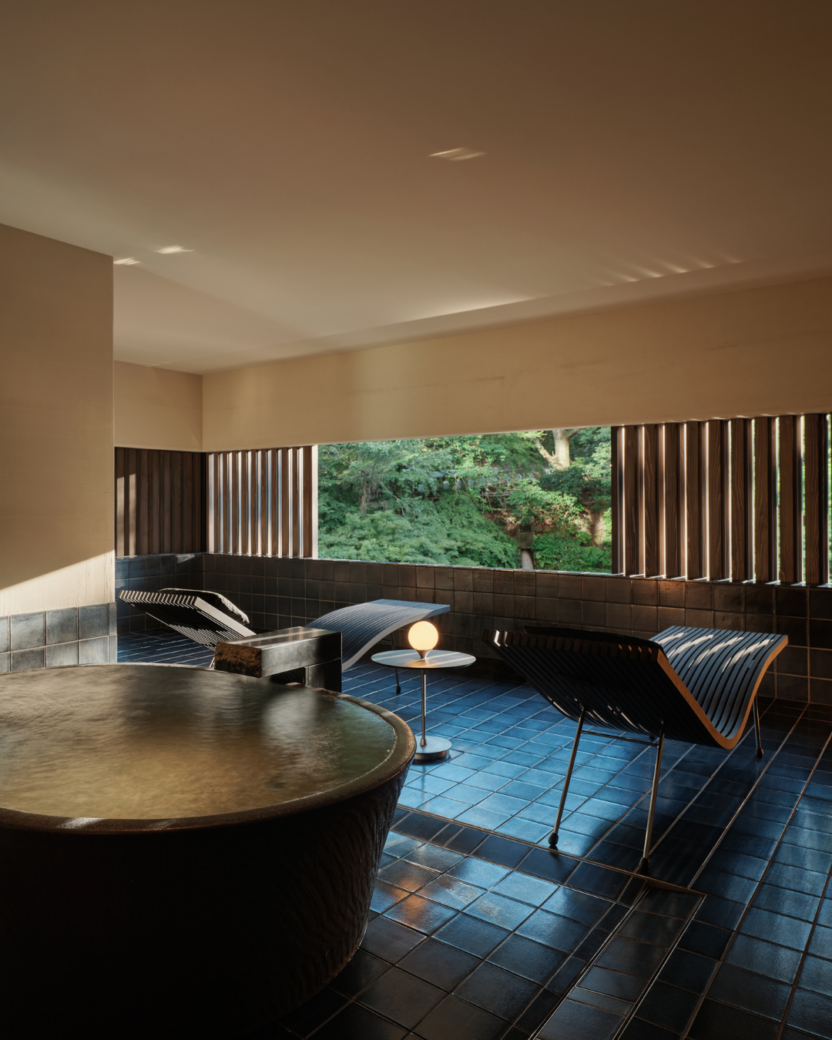
Art and craftsmanship appear throughout the property in subtle ways. Some rooms feature custom glass panels containing local plants embedded within thick handmade glass, reflecting the flora of the surrounding landscape. A small library of books on Japanese craft, art and design offers another quiet space where guests can spend time learning about the traditions that shape the region.
The experience of staying here is shaped as much by the surroundings as the ryokan itself. Just a short walk away, the Kakusenkei Gorge follows the Daishoji River through a quiet valley of moss, cedar and stone bridges. Guests can wander the path at their own pace, stopping at small cafés or simply enjoying the sound of the river below.
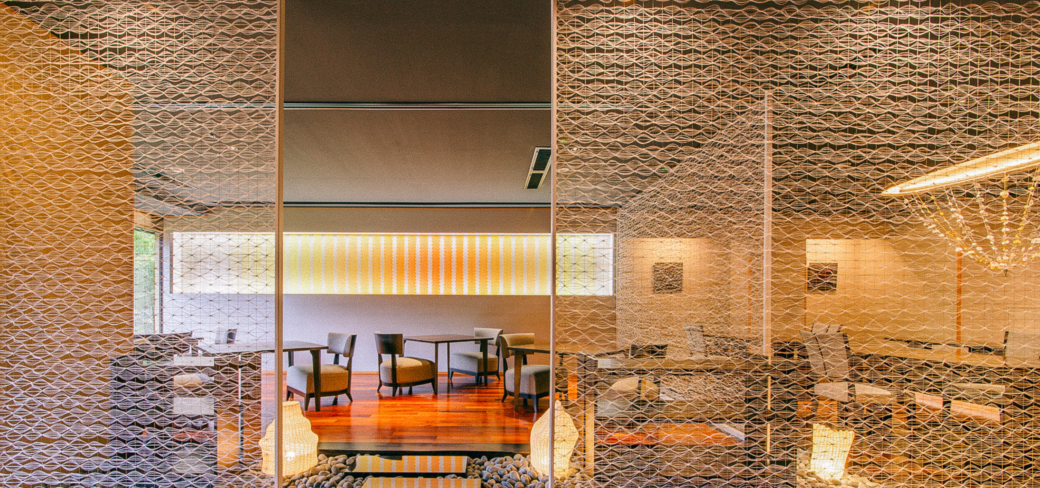
Hanamurasaki also offers opportunities to connect with the town’s craft traditions, from private pottery studio visits to hands-on kintsugi workshops. Rooms balance traditional elements with contemporary comfort, allowing guests to experience ryokan culture while still enjoying modern design and western-style beds if they prefer.
A Subtle Kind of Change
In Kaga Onsen, and particularly at Hanamurasaki, change is not loud or disruptive. It is thoughtful, intentional, and deeply respectful of what came before. For travellers seeking a hot spring experience that feels both authentic and quietly contemporary, this corner of Ishikawa offers something rare.
For more info on the area and Ishikawa in general please check the Ishikawa tourism board website or contact us for your prefect onsen escape.