
Between the Mountains and the Sea: The Many Sides of Toyama
Between the towering Japanese Alps and the deep waters of Toyama Bay lies a prefecture that remains relatively unfamiliar to many international visitors to Japan. Often overlooked in favour of neighbouring Kanazawa, Toyama has a character distinctly its own.
Much of this can be traced back to the region’s geography. Mountain streams descend through forested valleys towards the coast, where fishing has long supported local communities. Further inland, access to natural resources and established trade routes allowed specialist industries and crafts to flourish, many of which remain part of everyday life today.
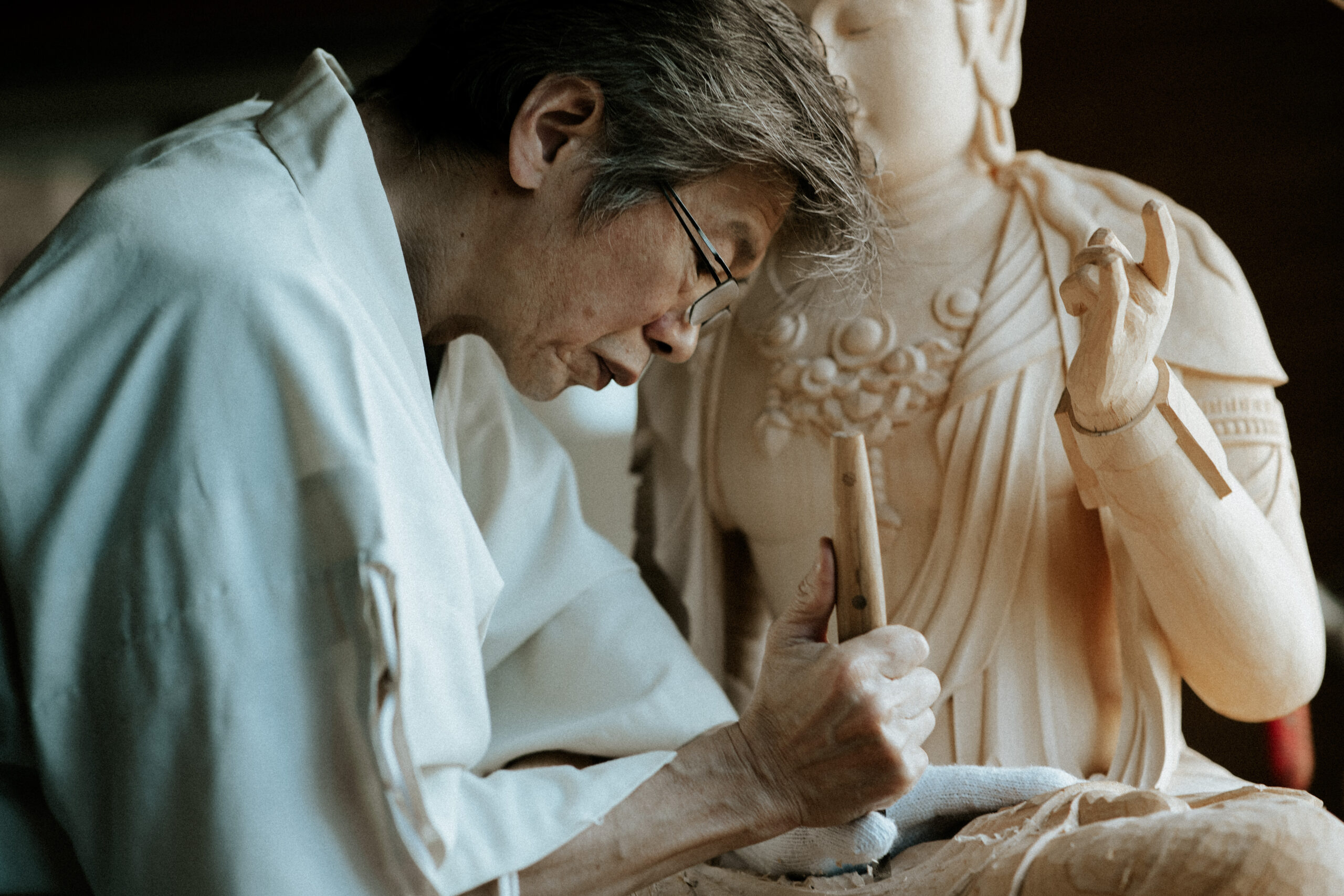
Walk through the streets of Inami and the sound of chisels can be heard coming from woodcarving workshops. In Takaoka, metalworkers continue to practise techniques developed over four centuries, while Toyama City’s growing reputation for contemporary glass art reflects a newer chapter in the prefecture’s creative history.
Despite its mountainous surroundings, Toyama is easily accessible. The Hokuriku Shinkansen puts Toyama within easy reach of both Tokyo and Kanazawa, making it a natural addition to a journey through central Japan.
Craft and Contemporary Art in Toyama
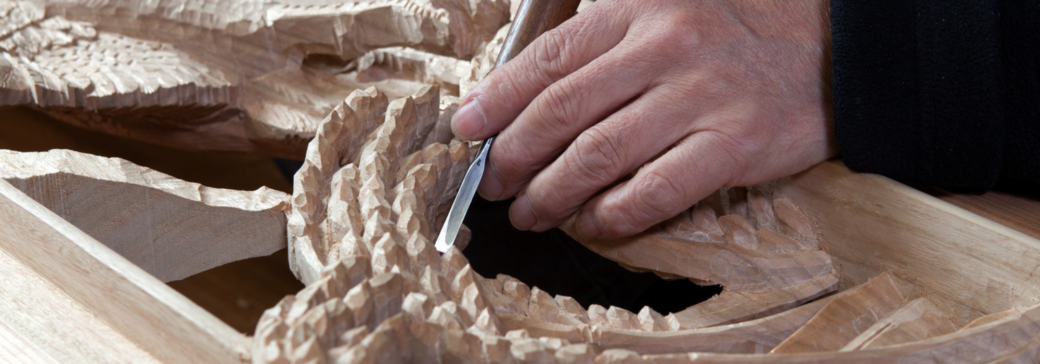
In many of Toyama’s historic towns, the industries that shaped their development remain very much alive
In Inami, woodcarving dates back to the 18th-century reconstruction of Zuisenji Temple. Its elaborate wooden decoration helped lay the foundations for a craft tradition that has become inseparable from the town’s identity. Along nearby Yokamachi Street, the tap of mallets and chisels can still be heard through workshop doors, where visitors can watch artisans at work or join a woodcarving workshop themselves.
Takaoka has been associated with metal casting for more than 400 years. Along the narrow streets of the historic Kanayamachi district, workshops housed in traditional timber buildings continue to produce decorative copperware alongside contemporary pieces, showing how a centuries-old craft continues to evolve.
Toyama City tells a different artistic story. The city has established a notable contemporary glass scene, with visitors able to experience the craft at Toyama Glass Studio before exploring work by Japanese and international artists at the Toyama Glass Art Museum, housed within a striking building designed by architect Kengo Kuma.
Places to Visit in Toyama: Mountains, Villages and Coastline
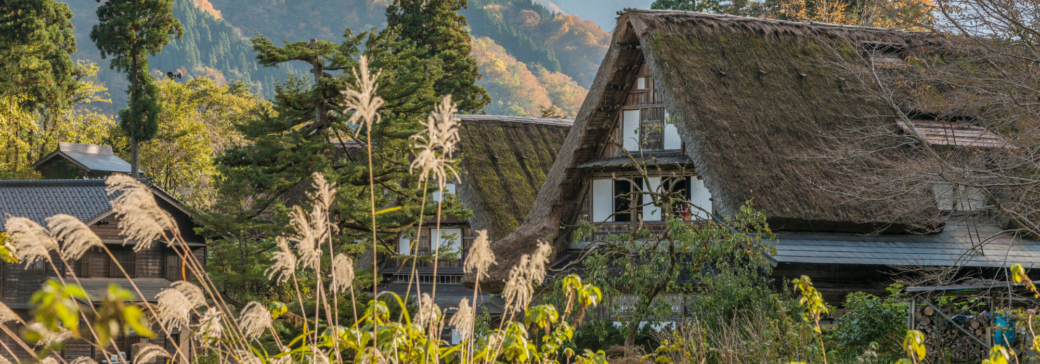
Toyama’s landscape has shaped life here just as profoundly as its industries and crafts.
The Tateyama Kurobe Alpine Route takes visitors high into the Northern Japanese Alps, where towering snow walls in spring give some indication of the extraordinary snowfall the region experiences. As the snow recedes, alpine vegetation returns to the mountainsides, before autumn brings rich seasonal colours to the slopes.
Further southwest, the UNESCO-listed villages of Gokayama offer a glimpse of rural life adapted to Toyama’s famously heavy winters. Traditional gassho-zukuri farmhouses are distinguished by their steeply pitched thatched roofs, designed to withstand substantial snowfall. In winter, snow settles across the rooftops and surrounding fields, transforming the landscape once again.
Down on the coast, the deep waters of Toyama Bay have supported fishing communities for generations. The changing seasons are reflected in the local cuisine, with firefly squid arriving in spring and winter yellowtail becoming a much-anticipated feature of restaurant menus during the colder months.
Another Toyama speciality, masuzushi, has a story all its own. Slices of trout are laid over vinegared rice, wrapped in bamboo leaves and pressed into a circular wooden container. With origins stretching back to the Edo period, it later became a familiar railway bento as train travel expanded across Japan and remains closely associated with Toyama today.
Where to Stay in Toyama
Some of Toyama’s most interesting places to stay are rooted firmly in their surroundings, occupying restored townhouses, artisan neighbourhoods and traditional farmhouses set among rice paddies.
Kane no Sanzun, Takaoka

Located in Takaoka’s historic Kanayamachi district, Kane no Sanzun comprises restored traditional townhouses that celebrate the area’s ong connection with metalworking.
The properties combine original architectural details with contemporary comforts and l pieces produced by local makers. Timber interiors and carefully incorporated metalwork establish a tangible link with the craftsmanship of the surrounding neighbourhood.
Its position in Kanayamachi is part of the appeal. Once day visitors have left, there is time to wander the quieter streets, explore independent workshops and take in the district’s preserved architecture at an unhurried pace.
Bed and Craft, Inami

Bed and Craft brings visitors into the heart of Inami’s creative community through a collection of individually designed properties developed in collaboration with local artisans.
Handmade furniture and carved wooden details give each property its own character, while opportunities to participate in woodcarving workshops allow guests to engage directly with the town’s creative community.
More than somewhere to sleep, Bed and Craft provides an introduction to Inami itself. Guests have time to explore its historic streets, visit studios and meet some of the craftspeople continuing the town’s traditions today.
Rakudo-An, Tonami
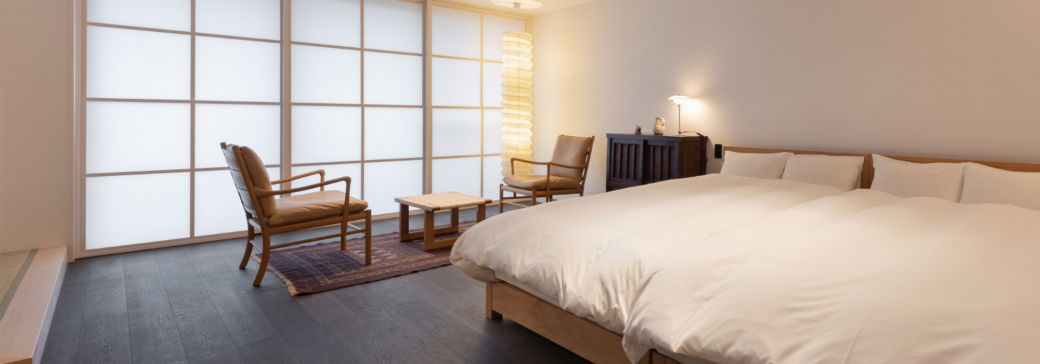
Surrounded by the rice paddies of the Tonami Plain, Rakudo-An occupies a restored traditional farmhouse with just three guest rooms.
Contemporary art sits alongside Japanese craftsmanship and natural materials, with the changing rural landscape very much part of the experience.
Its relationship with the surrounding community extends beyond the property itself, with a portion of accommodation fees supporting conservation efforts in the area.
A Different Side of Japan
Toyama doesn’t demand attention in the way some of Japan’s better-known destinations do. Much of its appeal lies in looking a little closer: at craft traditions still practised in its towns, communities shaped by mountains and sea, and landscapes that change dramatically with the seasons.
Its position between Tokyo, Kanazawa and the Japanese Alps makes Toyama easy to weave into a wider journey through central Japan, but there is plenty here to justify slowing down and staying a little longer.
Discover Toyama as part of a journey through Japan designed entirely around you. Speak with one of our travel designers to begin.