
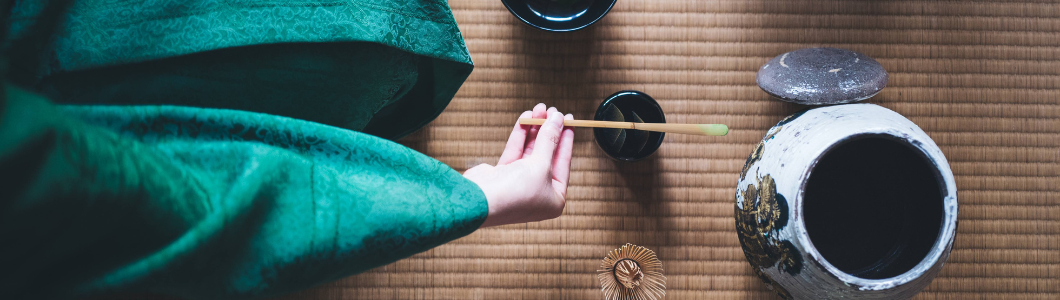
The Art of Tea Ceremony in Japan
In a country often celebrated for its contrasts between tradition and modernity, few experiences reveal the depth of Japanese culture quite like a tea ceremony. It is an encounter shaped by centuries of tradition, where even the smallest details carry significance and nothing within the room feels accidental.
Guests enter a space removed from the pace of everyday life, stepping into an environment designed to encourage attention and observation. Here, conversation softens, movements become more deliberate and time seems to unfold at a different pace. Before a cup of tea is ever served, the setting itself begins to shape the unique experience.
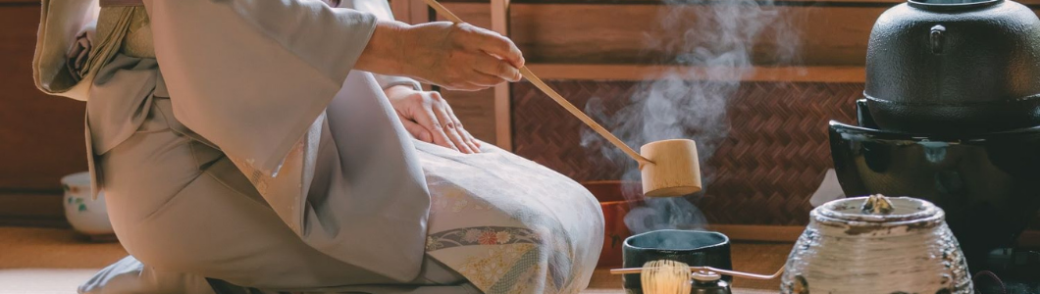
From the sound of water beginning to simmer, the quiet movement of the host preparing the tea to the texture of the tea cup in your hands. Small details begin to feel heightened and time seems to slow down around them.
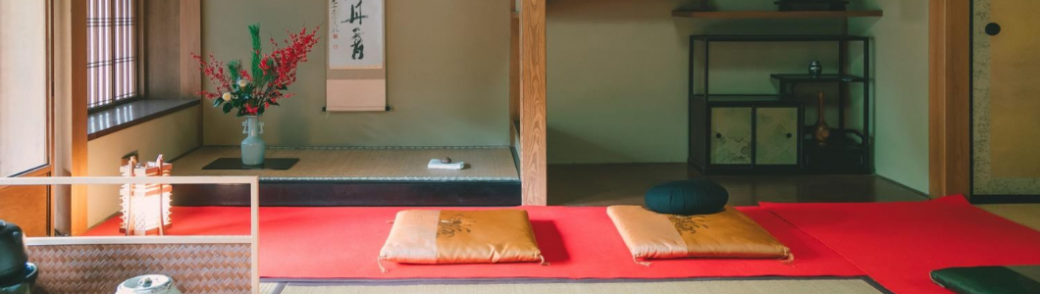
Before a word is spoken, the tea room begins to tell its story. The decorated alcove displays a carefully selected hanging scroll alongside a seasonal flower arrangement, each chosen to reflect the occasion and time of year. These details set the tone for what follows, revealing the attention and thought that underpin every aspect of the ceremony.
At the centre of the experience sits the philosophy of ichi-go ichi-e, often translated as “one time, one meeting”. Rooted deeply within tea culture, the concept reflects the understanding that each encounter is unique and can never be repeated in exactly the same way again. The season, the guests present, the choice of ceramics, the atmosphere within the room all exist only for that single moment in time.
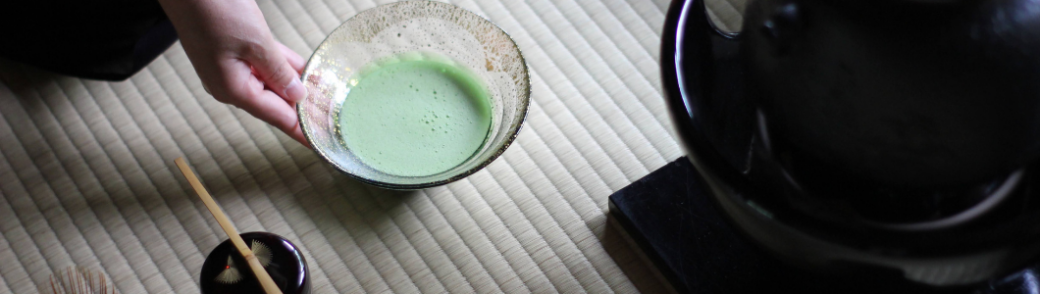
As the ceremony begins, attention naturally shifts towards the movements of the host. Every gesture is deliberate, refined through centuries of practice and repetition. The folding of the silk cloth, the placement of each utensil, the measured movements used to prepare the tea all unfold with a quiet and delicate precision.
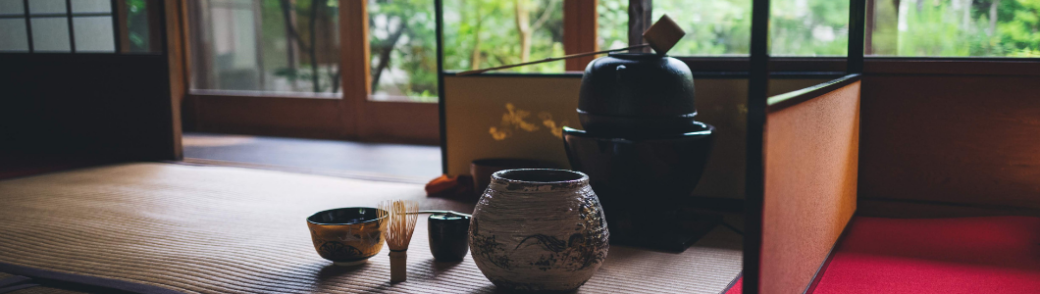
Even the tea bowl itself becomes part of the story. The most decorative side is traditionally placed facing the guest as a gesture of respect and hospitality allowing the craftsmanship of the ceramic to be appreciated before the tea is drunk. Guests then gently rotate the bowl before drinking.
For travellers seeking a deeper connection to Japan, a traditional tea ceremony offers something far beyond cultural demonstration alone. It creates space to slow down and observe the subtleties that shape Japanese aesthetics and hospitality so profoundly.
Perhaps this is why the tea ceremony continues to resonate so strongly with visitors to Japan. While tea ceremony is often associated with ritual, it is ultimately an expression of hospitality. The careful selection of utensils, the consideration given to guests and the attention paid to even the smallest details all reflect values that continue to shape Japanese culture today.
As tea ceremony has become one of Japan’s most recognisable cultural experiences, visitors are increasingly faced with a wide range of options. While many offer an enjoyable introduction, the setting, host and atmosphere often make the greatest difference. A ceremony held within a centuries-old tea house, a private residence or overlooking a tranquil Japanese garden offers a very different perspective from one designed for larger tour groups.
For those wishing to experience this tradition more deeply, tea ceremonies can be thoughtfully incorporated into a tailor-made journey through Japan. From intimate gatherings with experienced tea practitioners to ceremonies held in peaceful rural settings away from Japan’s busiest cities, each experience can be carefully selected to suit the pace and style of your journey.
Discover how a traditional tea ceremony can bring a new perspective to your Japan stay and speak with our travel designers to begin planning an experience shaped around the moments that matter most.