
Shaped by Clay: Exploring Japan Through Its Pottery Traditions
Across Japan, the art of pottery is deeply tied to place. Ceramic traditions change from region to region, shaped by the surrounding landscape and the materials beneath it. Over centuries, towns formed around the clay beneath their feet, where smoke rose from kiln chimneys for generations and pottery became woven into everyday life. In these regions, pottery is not treated as something separate from the community, but as part of the landscape itself.
For travellers, Japan’s pottery regions offer a slower and more immersive way to experience the country. Workshops remain active, kilns still fire and streets continue to carry the marks of generations of making. From the refined porcelains of Ishikawa Prefecture to the historic kiln towns of Kyushu and the earthy ceramics of Aichi, each region reveals a different relationship between craft, landscape and culture.
Colour and Culture in Ishikawa
Known for its vivid overglazed decoration and rich use of colour, Kutani ceramics often feel strikingly different from the muted, earthy tones more commonly associated with Japanese pottery.
Developed in the historic Kaga region surrounding Kanazawa, Kutani ware evolved alongside tea ceremony culture, where carefully handmade objects became an important part of hospitality and daily use.
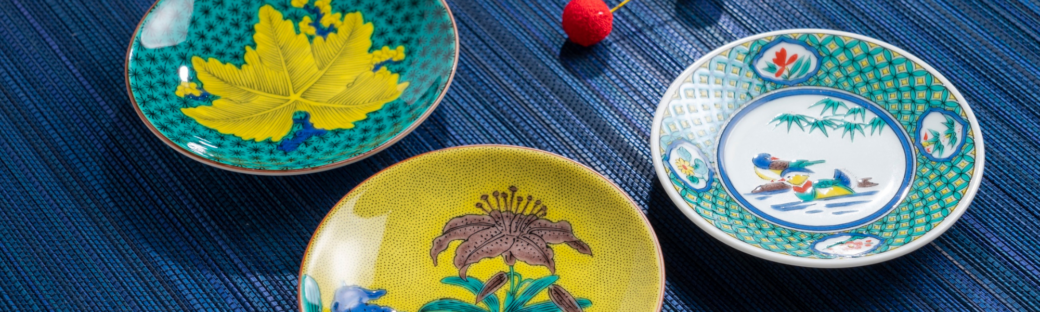
Some believe this preference for richly decorated pottery emerged from life in the Hokuriku region itself. Along the Sea of Japan coast, winters are long, dark and heavy with snow, and Kutani ware is thought to reflect a desire for brightness and intensity during the colder months. The result is a style that feels noticeably different from many other Japanese ceramic traditions, where quieter tones and minimal decoration are more common.
Today, guests travelling through the Kaga region still encounter this connection to craftsmanship in quiet, everyday moments. Kutani ceramics are placed naturally into the experience of dining, tea culture and hospitality, from seasonal meals served in ryokan to traditional tea houses where carefully chosen tableware forms part of the atmosphere itself.
Porcelain and Trade in Saga
Further south in Kyushu, the town of Imari developed around porcelain and the movement of goods through its coastal port. For centuries, finely crafted Imari ware left these shores bound for Europe and Asia, introducing Japanese porcelain to overseas audiences for the first time, while nearby Arita became known as the birthplace of porcelain production in Japan itself.
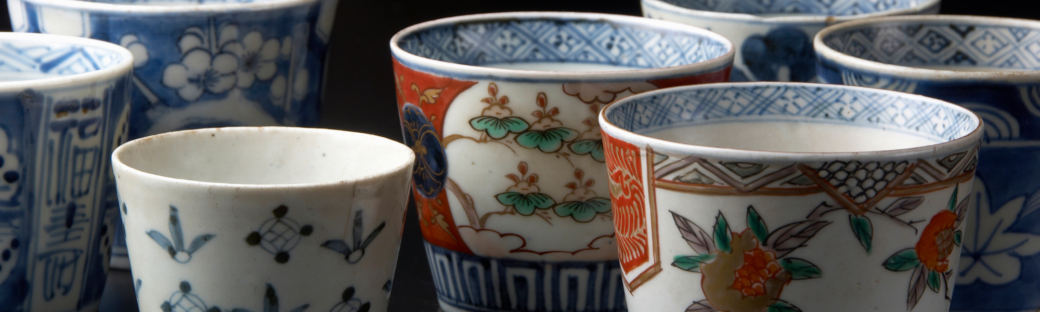
Today, the surrounding landscape still feels deeply connected to that history. Narrow roads wind between kiln towns and workshop communities where porcelain continues to be shaped and fired much as it has been for generations. In places such as Okawachiyama Nabeshima Clan Kiln Park, steep forested hills surround a secluded pottery village once protected by the Nabeshima clan, where chimney-lined rooftops and hidden workshops still reflect centuries of ceramic production.
As guests move between kiln towns and narrow hillside roads, the connection between craft and place becomes increasingly clear. Porcelain production still feels woven into the region, from the smoke-darkened chimneys to the quiet workshop communities scattered across the surrounding hills.
The Pottery Footpath of Aichi
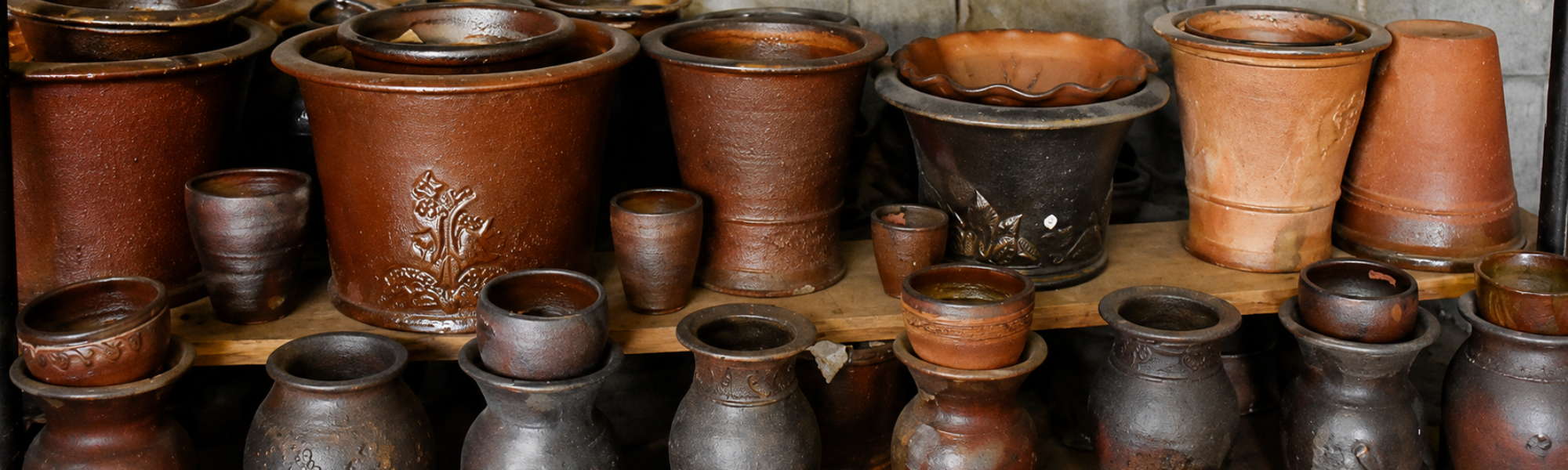
Few places in Japan feel as closely shaped by pottery as Tokoname. As one of Japan’s Six Ancient Kilns, its distinctive iron-rich red clay comes from the surrounding earth, giving Tokoname ware its warm colour and character.
The Pottery Footpath winds through former kilns, working studios and small shops, revealing a town shaped by centuries of ceramic production. Here, pottery still feels closely connected to the way people live,where pieces are created not solely for display cabinets, but for everyday moments shared over tea and meals. Historic climbing kilns built into the hillside remain one of Tokoname’s defining features, their layered brick structures drawing the attention of both pottery enthusiasts and admirers of traditional Japanese architecture.
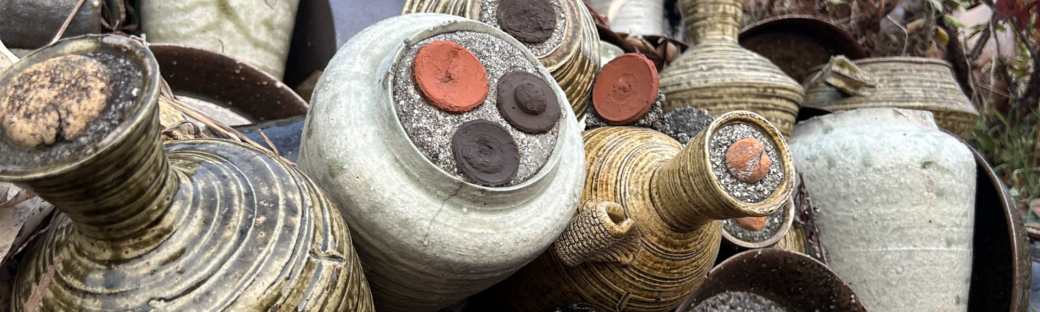
Unlike the highly decorative porcelains of other regions, Tokoname ware often feels more understated and tactile. Subtle glazes, earthy textures and softly weathered surfaces place emphasis on use rather than display, particularly in the teapots and everyday ceramics the region is known for.
Fire and Earth in Okayama
In rural Okayama Prefecture, the pottery town of Bizen offers a very different expression of Japanese ceramics. Considered one of the country’s oldest pottery traditions, Bizen ware is known for its absence of glaze, relying instead on clay, fire and the unpredictability of the kiln itself.
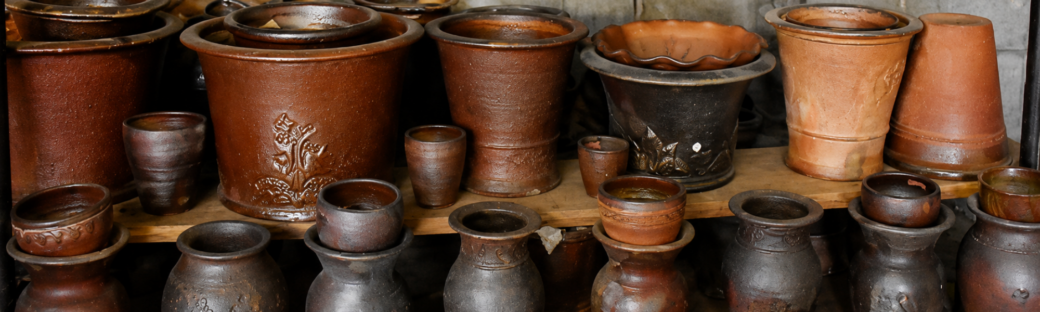
The process is intentionally restrained. Pieces are fired over several days in wood-burning kilns, where ash, flame and heat leave natural markings across the surface. No two works emerge alike. Deep reddish tones, scorch marks and subtle textures develop gradually through the firing process, giving Bizen ware its distinctive character.
Across Japan, pottery traditions continue not through preservation alone, but through their connection to place. From Kutani ware in Ishikawa to the porcelain towns of Saga and the clay streets of Tokoname, each region offers a different perspective on Japanese craft and a more immersive way to experience the country itself.
For those looking to experience Japan beyond its major cities, pottery towns reveal a side of the country shaped by workshops, local craftsmanship and communities where these traditions remain deeply rooted in daily life. To discover how these experiences can be woven into a tailor-made journey, speak to one of our experts.