
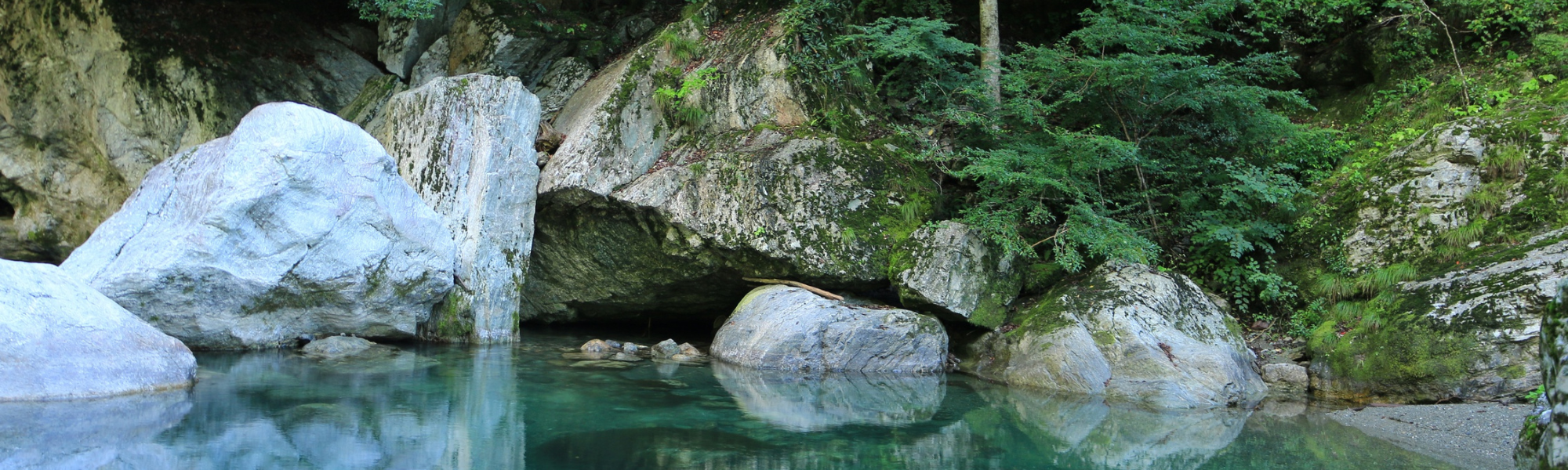
Shikoku and Slow Travel: Along the Pilgrim’s Path
Most journeys through Japan follow the well-known route between Tokyo and Kyoto. Cross the bridges of the Shimanami Kaido towards Shikoku and the atmosphere begins to shift. The pace slows. Neon signs become fewer and scenic train journeys take longer. Days are shaped less by packed itineraries and more by where you find yourself.
A morning may pass in a quiet station town or an afternoon may be spent along an empty stretch of coastline. There is less pressure to move on and more space to stay a little longer than planned. What you begin to notice is a more local, everyday side of Japan.

At the heart of the island runs the Shikoku 88 Temple Pilgrimage, known as the Shikoku Henro. Along the route, it is not unusual to see travellers dressed in white robes walking steadily with wooden staffs in hand. The path is dotted with small temples, roadside stops and simple guesthouses offering those on the journey a place to rest before continuing on the route.
Tokushima and the Beginning of the Path
For many, the journey begins in Tokushima Prefecture at Ryozenji, the first temple of the pilgrimage. Visitors pass through modest wooden gates into quiet, unassuming grounds. Those setting out gather here to mark the beginning of their journey and receive their first stamps and blessings. The atmosphere is simple and understated, setting the tone for what lies ahead.

Along the coast, the Naruto Whirlpools move with restless energy. Inland however, the rhythm changes. In quiet studios, indigo dyeing unfolds slowly, a tradition that has been practiced here for centuries. Using natural fermentation techniques passed down through generations, white fabric is dipped repeatedly by hand until the colour settles into vivid blue geometric patterns.

Kagawa and the Practice of Stillness
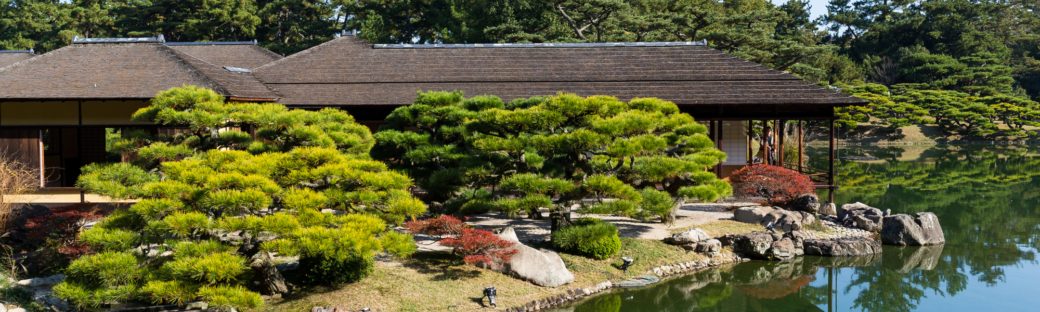
In Kagawa, Ritsurin Garden dates back to the early Edo period and is considered one of Japan’s most accomplished landscape gardens. Designed around a series of ponds, bridges and walking paths, the garden is laid out to be experienced step by step, with each turn revealing a different view. Mount Shiun forms a natural backdrop beyond the garden, anchoring the composition within the wider landscape.
Further inland, the iconic Kotohira Shrine asks something of you. The approach climbs more than 1,300 stone steps, rising steadily through the town and into the forested hillside beyond. It is not a difficult ascent, but a committed one. Step by step, the view begins to open over the Sanuki Plain, and the act of climbing becomes part of the experience itself.
Exploring Ehime
In Ehime Prefecture, older and newer ways of life exist peacefully side by side. Matsuyama Castle sits proudly above the city, one of Japan’s few surviving original castles, its wooden structure dating back to the early 1600s. From its hilltop position, it has overlooked the city for centuries.
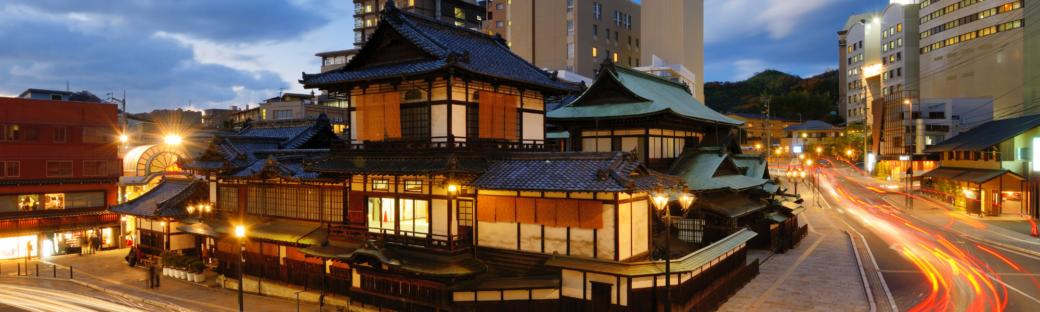
Below, life continues around it without pause. At Dogo Onsen, bathing follows the same patterns it has for generations, with visitors moving quietly through wooden corridors and tiled halls before stepping into the mineral-rich waters. The building was constructed in the late 19th century and remains a well-known example of traditional bathhouse architecture.
Further south in Ozu, the pace slows again. The streets are quiet and the town gives the impression of being paused somewhere in the Showa period. Along the river, Garyū Sansō sits above the water, a Meiji-era villa built as a retreat for a local merchant, designed for quiet gatherings, poetry and the appreciation of the landscape. Its tatami rooms open onto views that shift with the light across the Hijikawa River.
A Different Way to Travel
Shikoku is not defined by how much you see, but by how you experience it. Journeys unfold gradually, shaped by small towns, coastal roads and time spent in one place rather than constant movement. What lingers is not a list of highlights, but a sense of having moved through somewhere quietly and with purpose. The emphasis shifts away from ticking off the main sights and towards a deeper connection with place.
For those considering a more considered journey through Japan, our team can help incorporate Shikoku into a wider itinerary, balancing exploration with time to settle in.